
#1 HOME WINDOW TINTING SUNNY ISLES
Cut heat and glare without losing the view
Strong Florida sun can heat up rooms, create glare across screens, and fade furnishings. Our home window tinting Sunny Isles team installs film that reduces solar heat and UV exposure while preserving natural light. You get a more comfortable home without covering the view with blinds.
- 5.0 stars out of 80 reviews
25+ years
in the window film industry
Energy Savings
guaranteed
1000+
happy clients in Miami
A-grade films
to match your property
20+ South Florida
suburbs covered
30% average
energy savings

Make hot, sun-facing rooms comfortable again
Large windows and glass doors can give your Sunny Isles home a bright, open feel, but they can also allow solar heat to build up throughout the day. One room may feel much warmer than the rest of the home, even while the AC keeps running longer and using more energy to maintain a comfortable temperature.
Installing window film reduces heat through the glass, helping rooms stay cooler and more comfortable. Our home window tinting Sunny Isles installers will assess your window type, sun exposure, preferred appearance, and comfort goals before recommending a suitable film. You can then compare performance, appearance, and cost before choosing the right option for your home.
- 5.0 stars out of 80+ reviews

Protect upgraded interiors from daily UV exposure
Hardwood floors, custom furniture, artwork, and fabrics can gradually fade or discolor when exposed to strong Florida sunlight each day. The changes often happen slowly, leaving the areas closest to your windows noticeably different from the rest of the room.
Installing window film helps reduce UV exposure before it reaches your interiors. Our home window tinting Sunny Isles team will show you suitable films on your own glass, so you can compare UV protection, natural light, and appearance before choosing an option.
- 5.0 stars out of 80+ reviews
Exclusively partnered with trusted window film brands



See what your neighbors have said about our residential window film installations
3 steps to getting home window tinting that Sunny Isles residents choose
Share what you want to improve
Tell us which windows or rooms feel too hot, produce glare, feel too exposed, or receive strong sun. Photos can also help us understand the glass, its position, and the surrounding space.
Compare films and pricing
We’ll inspect your windows, show you suitable tint samples, and explain the differences. Your quote will reflect the number, size, and type of windows, as well as your chosen film.
Choose an installation time
Once you approve the quote, we’ll schedule the work around your availability. Our installers measure, cut, and apply the tint carefully for a smooth finish. They'll explain what to expect while the film cures.
- 5.0 stars out of 80+ reviews
Serving Sunny Isles and nearby South Florida communities
We install residential window film throughout Sunny Isles and nearby suburbs. If you don’t see your area below, contact us to check if we service your neighborhood.
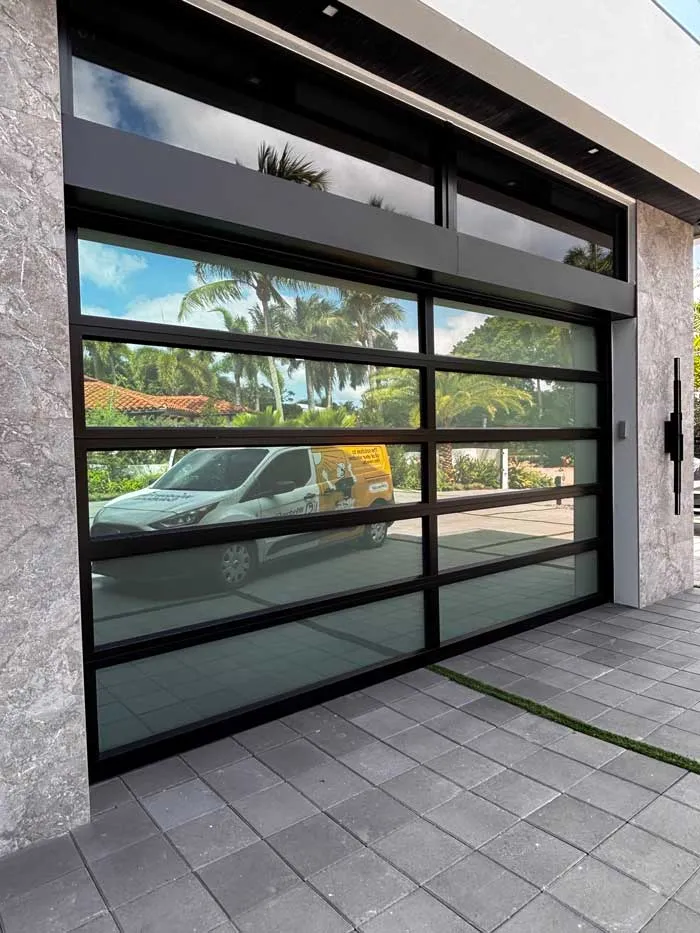
- 5.0 stars out of 80 reviews
Get a free window tinting quote based on your windows and goals
During your consultation, you’ll see tint samples on your own glass, compare performance levels, and ask how each option may affect your home before making a decision.
- Discuss your home’s heat, glare, security, and comfort needs so we can learn what the tint should do
- Compare film options for solar control, glare reduction, UV protection, privacy, and natural light
- Review local pricing based on the number, size, and type of windows, along with your preferred film
- Check tint samples on your windows and compare brightness, privacy, appearance, and glare reduction
- Choose a schedule that works for you, with a process that keeps disruption in your home to a minimum
Fill in the form below to discuss your home window tinting Sunny Isles Beach project.
Common questions our home window tinting Sunny Isles team gets
Will coastal salt air and humidity damage the tint?
Not when installers use quality window films and prepare the glass properly. Careful edge finishing helps the material stay bonded in humid coastal conditions.
Homes near Sunny Isles Beach often collect salt residue on exterior panes. Residential tint sits on the interior surface, so routine exterior washing shouldn’t disturb it.
Let the material cure fully before cleaning the inside surface. Use mild soap and a soft microfiber cloth, and avoid ammonia, abrasives, and rough tools.
Can you tint impact-resistant windows?
Yes, after the installer confirms the glass construction. Impact-resistant, laminated, tempered, and insulated glass can respond differently to absorbed solar energy.
The wrong safety window film may increase thermal stress or conflict with the manufacturer’s requirements. Existing coatings and laminated layers also affect product compatibility.
Our professional installer can inspect glass markings and review available specifications. Share any warranty documents or building records before your appointment.
What should I expect while the tint cures?
Newly applied tint may show light haze, small water pockets, or minor uneven areas. These usually come from moisture left during application rather than permanent defects.
Curing time depends on the product, glass type, weather, and indoor conditions. Avoid pressing bubbles or smoothing the surface because this can disturb the adhesive.
Leave the treated panes untouched for the recommended period. The remaining moisture should evaporate, allowing the tint to settle into an even finish.
Could tinting affect my window warranty?
It can, depending on the manufacturer and the product applied. Some warranties restrict aftermarket materials because incompatible products may change how the glass handles solar energy.
Double-pane, laminated, low-emissivity, and impact-resistant glass each require compatible products. An unsuitable choice could place extra thermal stress on the glass or seals.
Review your warranty documents before the home window tinting work begins and share them with the installer. They can check the specifications and recommend an option that meets the stated requirements.
Will tinting harm my indoor plants?
Most houseplants continue receiving usable visible light after treatment. However, species that require intense direct light may respond differently from plants that prefer indirect light.
Products that filter UV rays don’t remove every part of the spectrum used for photosynthesis. Shade strength, glass direction, and distance from the pane affect how much daylight reaches each plant.
Watch for changes in growth or leaf color when the work’s done. Moving light-sensitive varieties closer to the glass may give them more daylight without removing the tint.
Can tint reduce outside visibility at night?
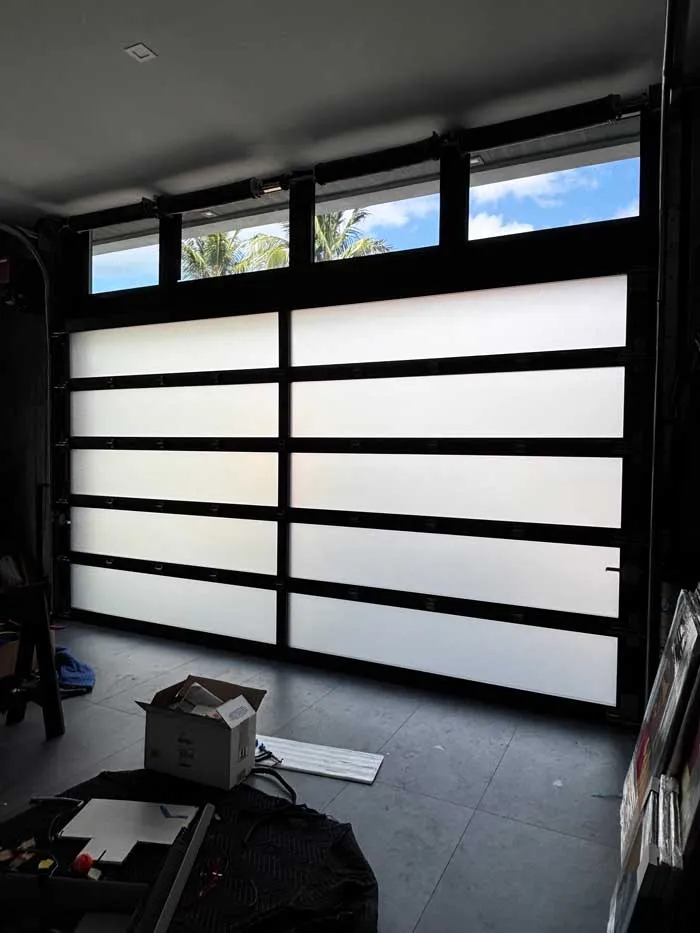
It can if you choose frosted window film. This option obscures direct views from both sides while allowing softened daylight into bathrooms, entryways, and other suitable spaces.
A daytime privacy window film installation relies on brighter outdoor conditions. Once indoor lighting becomes stronger than the light outside, people may see into the room more easily.
For privacy without closed curtains or blinds after dark, choose an opaque or decorative option where preserving the outdoor view matters less. Blinds or shades remain useful in rooms where you want an unrestricted daytime view.
Do I need my condo association’s approval before tinting my windows?
Possibly. Before booking window tinting, review your association rules or contact your property manager about exterior appearance requirements.
High-rise boards may restrict reflective shades, visible colors, or materials that make units look different from outside. Some associations apply similar standards to residential façades and commercial windows.
Ask for written approval if your building requires it. Our team can provide product specifications, shade details, and manufacturer information for the association to review.
Can you tint arched, oversized, or hard-to-reach windows?
Yes. Our installers can cut tint for arched panes, angled sections, sliding doors, skylights, and oversized glass. The construction and shape determine which products will work safely.
For large or solar-exposed panes, we can recommend a heat rejection window treatment that can reduce heat without replacing the entire glass system. We’ll match the product to its construction and exposure.
Hard-to-reach areas may require ladders, scaffolding, or additional safety equipment. Photos and approximate measurements can help our team prepare before visiting your property.
Can you remove or change the tint later?
Yes. Our trained installers can remove residential tint from suitable glass with controlled warmth, specialist tools, and adhesive-removal products.
Removal allows you to upgrade an older product, change the shade, or choose different performance features. It also helps when a room’s purpose or screening needs change.
Avoid scraping the surface with blades or abrasive tools yourself. Improper removal can leave adhesive behind, create scratches, or damage existing coatings.
Will residential tint interfere with Wi-Fi or cell reception?
Most modern nonmetallic products don’t interfere with Wi-Fi, mobile reception, GPS devices, or smart-home equipment. Ceramic options allow radio signals to pass through without creating another metallic barrier.
Some metallic products can affect an already weak signal, especially in high-rise buildings with reinforced concrete and coated glass. The result depends on the material and the building’s construction.
Tell the installer if your home already has weak mobile or Wi-Fi coverage. They can recommend nonmetallic options that won’t add to the existing reception problem.